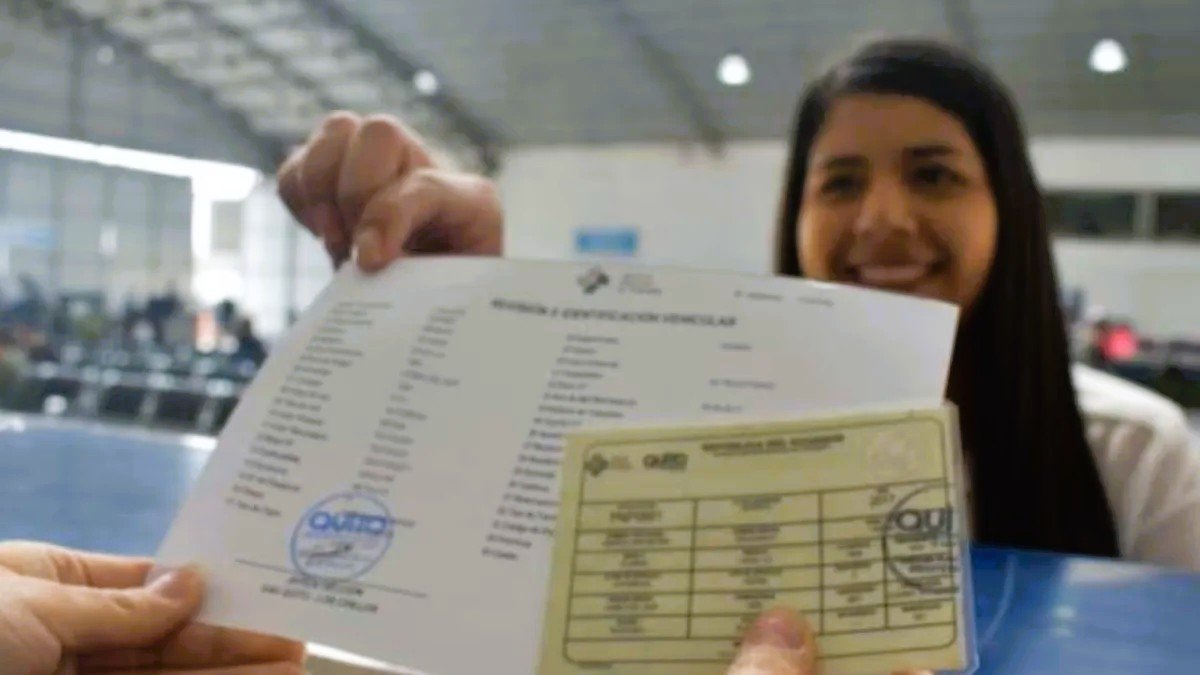
The city of Quito has shifted its new vehicle registration process بالكامل online, a move authorities say is designed to improve transparency and eliminate opportunities for corruption.
The change, implemented by the Metropolitan Transit Agency (AMT) as of April 1, requires all dealerships to complete registration procedures through the agency’s digital platform. Under the new system, applicants no longer have any influence over the assignment of license plate numbers.
Officials say the reform targets a specific issue that had emerged in recent years. Some vehicle owners were reportedly able to influence the final digit of their license plate—an important detail in Quito, where the Pico y Placa traffic restriction system limits driving days based on plate numbers. The last digit also determines the assigned month for vehicle registration.
By automating the process, authorities aim to ensure that plate numbers are assigned randomly, removing any potential manipulation and creating a more standardized system for all users.
Beyond transparency, the municipality expects the digital transition to speed up the registration process. The AMT projects that the system could handle around 550 vehicle registrations per day, reducing wait times that previously required in-person processing.
City officials have scheduled an evaluation of the new system for April 15 to assess its performance and identify any necessary adjustments.
The move comes alongside broader efforts to modernize Quito’s transportation systems. On the same day, the city also began rolling out a unified digital payment system for public transport using the Tarjeta Ciudad. Early reports from users pointed to long lines and slower-than-expected processing at some stations, as the system is currently active at only a limited number of locations.
Authorities say both initiatives are part of a wider push to digitize services, improve efficiency, and reduce opportunities for irregularities in the city’s mobility infrastructure.
