Ecuador’s Internal Revenue Service has issued a revised circular clarifying the application of Value Added Tax (VAT) on milk and bread products, partially reversing earlier guidance that had drawn criticism from producers and retailers.
The update, released on April 2, modifies a previous circular from March 26 that expanded the number of food products subject to the 15% VAT rate. That earlier document had indicated that only natural, unprocessed milk qualified for the 0% rate, while a wide range of dairy products—including skimmed, lactose-free, and fortified milk—would be taxed.
Under the new clarification, domestically produced skimmed and semi-skimmed milk will continue to qualify for a 0% VAT rate. However, the tax authority specified that products undergoing additional processing—such as the addition of flavorings, enzymes, or other ingredients—will still be subject to the 15% tax.
The adjustment comes after concerns from the productive sector that the original interpretation would increase costs for widely consumed products and affect both consumers and local industries.
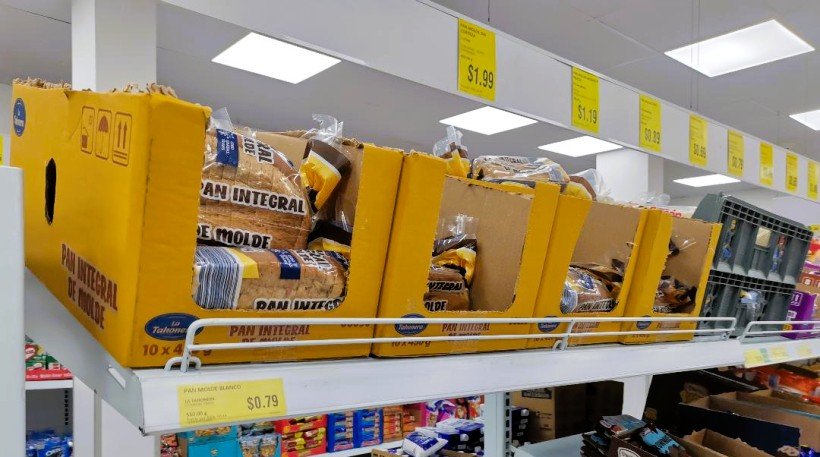
Bread classifications have also been revised. The updated circular confirms that multiple categories of bread will remain exempt from VAT, provided they meet the definitions established under Ecuadorian technical standards.
These include basic bread made from flour, water, yeast, and salt, as well as common, special, and whole-grain breads that may include ingredients such as fats, sugar, or other additives within defined limits. Products that fall outside these classifications will continue to be taxed at 15%.
The changes aim to better align tax policy with the intent of existing law, which seeks to protect essential food items from additional costs while distinguishing them from more processed or value-added products.
The revision provides some relief to producers and retailers, though it also underscores ongoing challenges in defining tax boundaries as the food industry evolves with new products and processing methods.
