
Ecuador’s tax authority has clarified that dozens of commonly sold food items must be subject to a 15% Value Added Tax (VAT), signaling potential price adjustments for consumers across the country.
The Internal Revenue Service (SRI) issued a circular on March 26 identifying roughly 60 food products that should not be sold under the 0% VAT category, but instead taxed at the standard 15% rate. Officials said the move does not change existing law, but clarifies how it should be applied.
Among the items now clearly subject to 15% VAT are certain types of milk, including lactose-free, skimmed, semi-skimmed, and fortified varieties. Prepared and processed foods are also included, such as instant noodles, pre-cooked pasta products, pastries, donuts, muffins, and sweeteners.
The clarification extends to meats that have undergone processing, including cooking, marinating, seasoning, or shredding. These products no longer qualify as basic, unprocessed foods eligible for tax exemption.
Tax experts say the measure responds to inconsistencies in how businesses have been applying VAT. Some retailers had been selling certain processed foods at a 0% rate, resulting in lower tax collection than expected.
The underlying law continues to exempt essential, unprocessed foods—such as fresh fruits, vegetables, and basic milk—from VAT. The intent, according to analysts, is to protect household budgets and support local agricultural producers.
However, as the food industry has introduced more processed and value-added products, the line between basic and non-basic goods has become less clear. The SRI’s circular aims to draw that distinction more precisely.
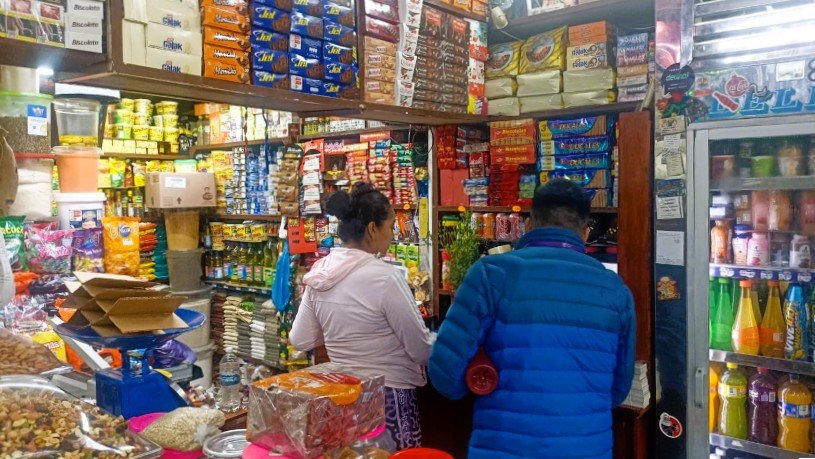
The clarification is expected to affect pricing. Businesses that had not been applying the 15% VAT to listed products will now need to adjust retail prices accordingly. This could lead to noticeable increases in supermarkets and neighborhood stores, particularly for processed and imported food items.
The SRI has not indicated whether it will audit past tax declarations, but stated it will implement measures to ensure compliance moving forward.
For consumers, the update highlights a shift in how everyday food products are categorized—potentially impacting grocery bills as retailers align with the clarified tax rules.
