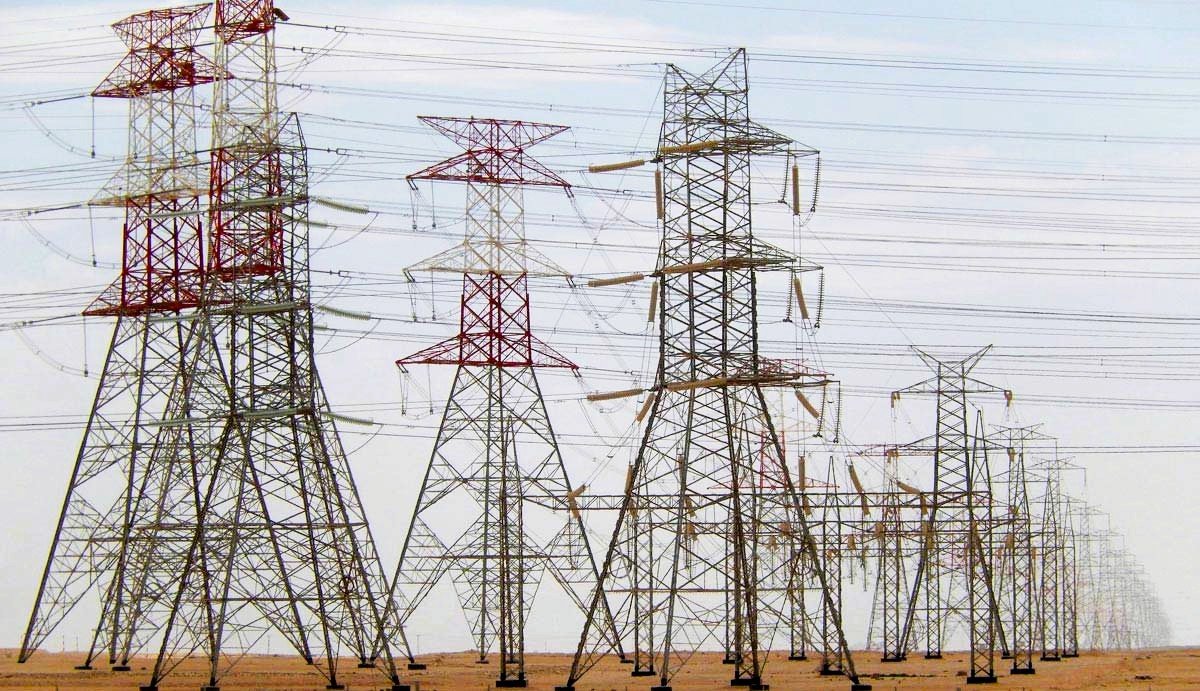
Colombia has signaled it is ready to resume electricity exports to Ecuador, offering a potential buffer as Ecuador’s power system faces renewed pressure from lower hydroelectric output and localized outages.
The offer was made by Colombia’s Minister of Mines and Energy, Edwin Palma, who said power exports could restart if Ecuador decides to reopen cross-border energy cooperation. He noted that previous arrangements between the two countries had worked effectively and could again help stabilize Ecuador’s supply.
The proposal comes as Ecuador’s electricity system shows signs of strain. While government officials have described recent outages as isolated incidents tied to seasonal conditions, energy analysts point to deeper vulnerabilities linked to the country’s heavy reliance on hydroelectric power.
One of the main concerns is reduced output from the Coca Codo Sinclair hydroelectric plant, Ecuador’s largest energy source. In recent weeks, its contribution to national demand has dropped significantly due to lower river flows, forcing other facilities to compensate.
That shift has placed additional pressure on the Paute hydroelectric complex in southern Ecuador, particularly the Mazar reservoir, which has seen water levels decline as generation increases to meet demand.
Experts warn that this imbalance could leave the system more exposed in the coming weeks. Estimates suggest Ecuador may be facing an electricity shortfall of around 1,000 megawatts, raising the risk of further disruptions if conditions do not improve.
Colombia’s potential exports could help fill part of that gap. Before energy sales were suspended, Colombia had been supplying up to 450 megawatts to Ecuador, covering roughly 10 percent of the country’s electricity demand.
However, accepting the offer carries both practical and political implications. Restarting imports would provide immediate relief but could also highlight ongoing weaknesses in Ecuador’s domestic energy system.
The situation is further complicated by seasonal factors. While the current dry period is expected to ease in the coming weeks, increased rainfall could bring sedimentation issues that disrupt hydroelectric operations, particularly at Coca Codo Sinclair.
With another dry season anticipated later in the year, energy analysts say Ecuador faces a critical decision: whether to rely more on regional cooperation in the short term or risk continued instability in its power supply.
For now, Colombia has made clear that electricity is available. The decision on whether to accept that support rests with Ecuador’s government.
