
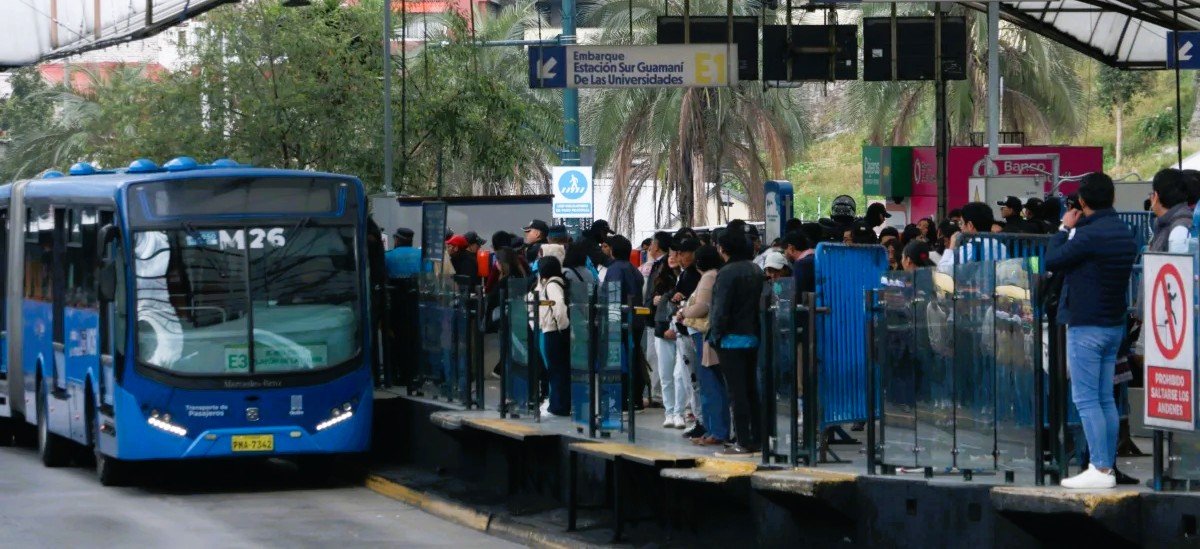
Public bus service resumed normal operations across Quito on Wednesday morning after meetings between transport operators and municipal authorities temporarily eased tensions over fares and operating costs.

Buses were seen running normally throughout the capital early May 6, ending a chaotic day that left many residents stranded and caused major traffic congestion across the city.

The disruption began Tuesday after transport operators reduced service hours, announcing buses would only operate between 8:00 a.m. and 7:00 p.m. The measure left many commuters without transportation during the early morning hours and triggered overcrowding, long lines, and heavy traffic in several parts of Quito.

In response, city officials temporarily suspended Quito’s Pico y Placa driving restrictions to help ease mobility problems.

The transport workers’ union said the reduced service was tied to the sector’s growing financial difficulties. Operators argue that rising operating costs, especially fuel expenses, have made current fares unsustainable.

The conflict intensified after the national government ended financial compensation linked to diesel subsidies.

Transport leaders are now pushing for either fare increases or new compensation mechanisms to keep the system operating.

Municipal authorities and union representatives agreed to begin technical working groups on May 13 to review the financial situation of Quito’s public transportation system and evaluate possible solutions.

Mayor Pabel Muñoz criticized the transport slowdown and said sanctioning procedures would be initiated against operators who suspended service without authorization.

The dispute has renewed broader debate over Quito’s transportation system, including whether current bus fares remain realistic given fuel prices, maintenance costs, and operating demands.

For many residents, Tuesday’s disruptions highlighted how dependent the capital remains on public transportation and how quickly mobility problems can spread when service is interrupted.