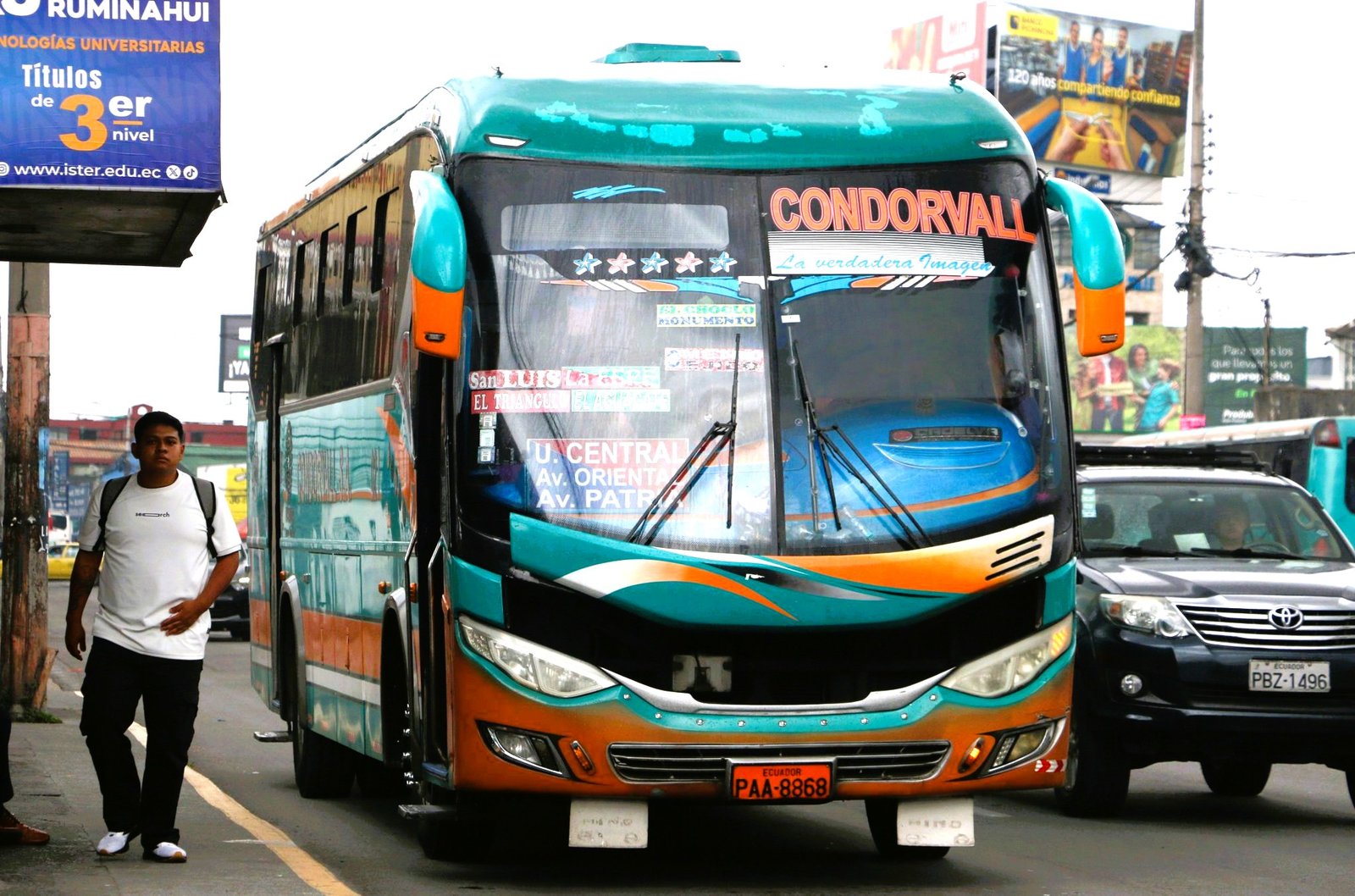
Quito’s public transportation system is facing growing uncertainty after urban bus operators warned they may continue limiting service hours unless financial support or fare adjustments are approved.

Transport groups say rising diesel costs have pushed the sector into a financial crisis following the end of a temporary government compensation program that expired in April.

Operators announced plans to provide urban bus service only between 8:00 a.m. and 7:00 p.m., leaving large sections of the day without regular transportation for many residents.

The measure could affect more than 1.8 million people who rely on buses for daily travel across the capital.

Transport leaders argue that operating costs have become unsustainable since diesel prices increased sharply over recent years. They say the current fare structure was established when fuel prices were far lower.

Rather than immediately requesting a fare increase, operators are asking the Municipality of Quito to provide temporary financial compensation. Their proposal calls for a subsidy of 10 cents per passenger to help stabilize the system.

Transport representatives also claim the national government failed to deliver promised reforms tied to transportation financing after earlier subsidy agreements were negotiated.

Municipal officials had reportedly been meeting with transportation groups to discuss possible solutions, though no final agreement had been reached at the time of the announcement.

Some city officials criticized the pressure tactics and warned that reducing service could create serious mobility and public safety problems throughout Quito.

Transport operators insist the reduced schedule is intended to cut operational losses while avoiding a complete suspension of service.

The dispute has once again exposed the fragile financial situation of Quito’s public transportation network and raised broader concerns about how the city will maintain reliable mobility as fuel and operating costs continue to rise.