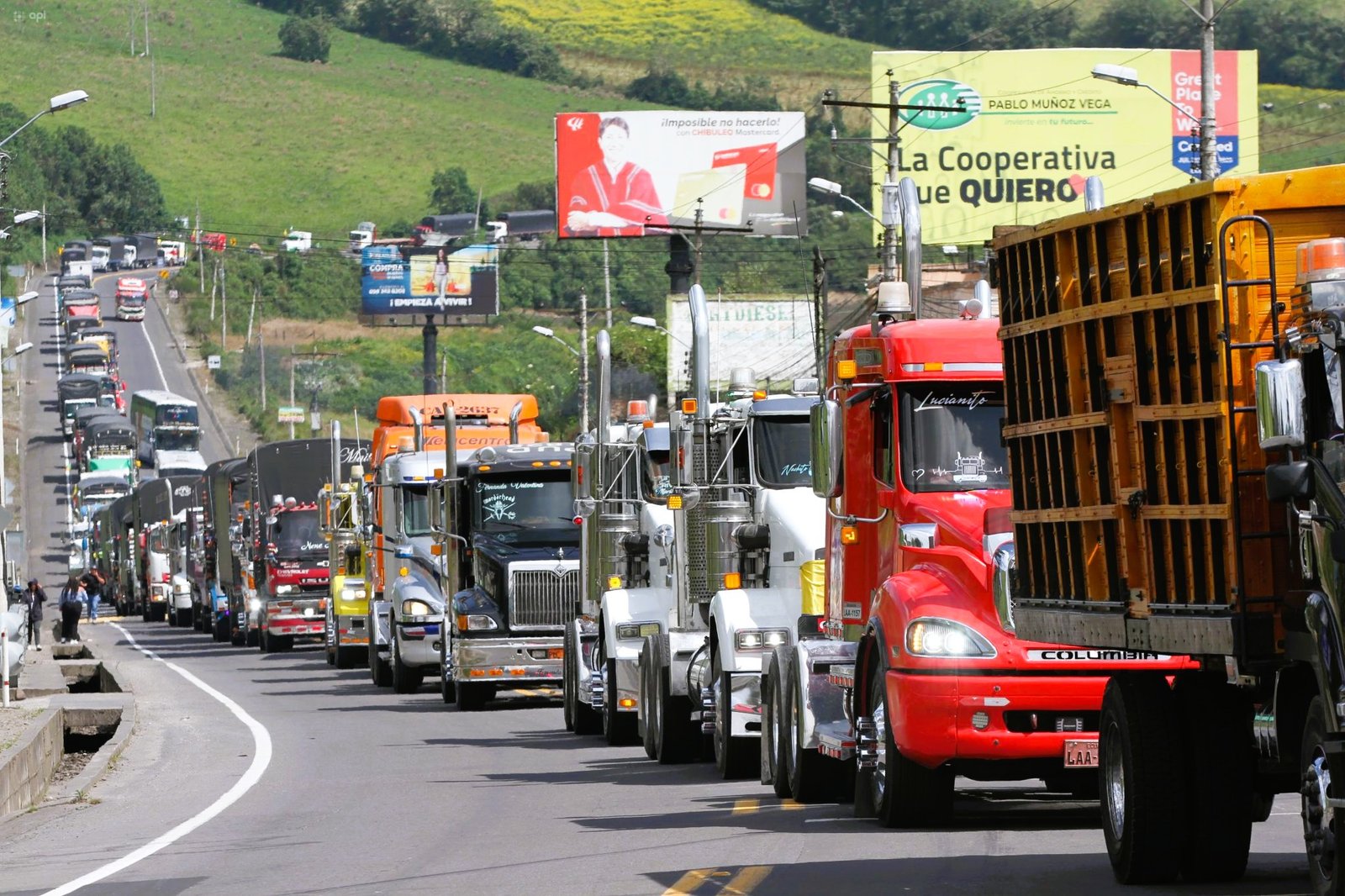
Cargo traffic surged across the Rumichaca International Bridge as transporters rushed to move goods before new tariffs took effect, but the situation quickly escalated into a full trade standoff between Ecuador and Colombia.

Ecuador announced a 100% tariff on certain imports, prompting Colombia to respond with the same measure on Ecuadorian goods. The decision marked a sharp escalation in a dispute that has intensified since the start of the year.

Truck drivers and logistics operators said the impact on cross-border trade had already been severe. Freight movement dropped sharply, with some estimates suggesting losses of up to 70% in the sector since early February.

At the border, activity remained high in the short term as companies tried to move remaining cargo before the May 1 deadline. Beyond that, transporters warned that trade could come to a near standstill.

Key concerns raised by the sector included:

  • Significant drop in cargo movement between both countries
  • Loss of an estimated 15,000 direct and indirect jobs
  • Reduced willingness among businesses to continue cross-border trade
  • Limited alternatives for certain goods that cannot be sourced elsewhere

The slowdown has also affected local economies that depend on freight traffic. Businesses near the border reported fewer customers as truck activity declined.

At the same time, transport unions warned of a growing surge in smuggling. With more than 70 illegal crossings already active, the reduction in formal trade is expected to push more goods into informal channels, weakening oversight and control in the region.

Authorities in southern Colombia also expressed concern about the broader economic fallout, warning that border cities could face a serious downturn if trade remains restricted.

For now, cargo continues to move through Rumichaca, but uncertainty is growing over how long operations can continue under the new tariff conditions.