Ecuador’s government confirmed it is proceeding with the final handover of the Coca Codo Sinclair hydroelectric plant from the Chinese company Sinohydro, despite ongoing concerns over structural flaws in the facility.

State-owned Electric Corporation Celec said on April 8, 2026, that the process is advancing following an agreement between both parties to drop the international arbitration filed in 2021. The International Court of Arbitration of the International Chamber of Commerce in Paris has already issued a binding decision on the agreement.

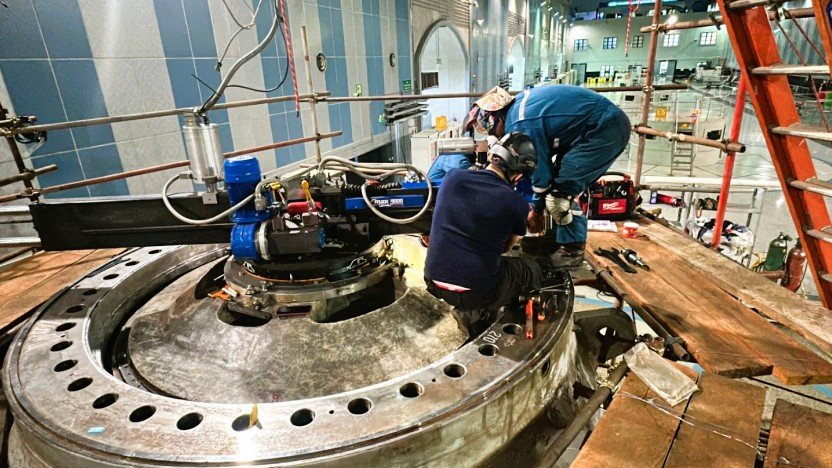
Coca Codo Sinclair, the country’s largest hydroelectric plant with a nominal capacity of 1,500 megawatts, has reported more than 17,000 cracks in key components. These defects have required repairs and temporary shutdowns, reducing its output to about 40% of capacity and contributing to power outages in cities including Quito.

The most critical issue involves cracks in the plant’s eight steel distributors, which operate under high pressure to channel water to the turbines. Authorities have warned that continued deterioration could lead to structural failure, flooding of the powerhouse, and potential risk to workers.

Concerns about these defects date back years. In 2018, the Comptroller’s Office instructed that the project should not be accepted unless key equipment was replaced. However, the issues persisted, with reports later identifying 17,661 cracks, including thousands detected within a single year.

Under the new agreement, Celec said Ecuador will receive compensation totaling USD 400 million:

  • USD 200 million in cash
  • USD 200 million in investment for renewable energy projects

The government also stated that operational responsibility, maintenance, and associated risks will be transferred to Power Construction Corporation of China (PowerChina), Sinohydro’s parent company. The company will be responsible for addressing the construction defects identified in previous audits.

Officials maintain that the agreement allows the state to move forward while ensuring mechanisms remain in place to address ongoing risks tied to the plant’s infrastructure.