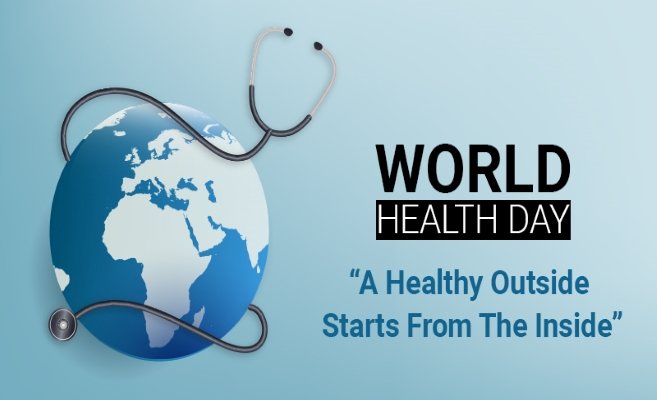
As World Health Day draws attention to healthcare systems across the region, a persistent gap remains: access does not always translate into actual care.

Across Latin America, 35.2% of people report that their health needs are not being met. The figure rises to 38.5% among lower-income populations, highlighting how strongly inequality continues to shape access to medical services.

At the same time, nearly 3 out of 10 people—29.3%—avoid seeking medical attention altogether. Common barriers include long waiting times, high costs, and administrative hurdles.

The data points to a deeper issue. While many countries have expanded health coverage over the years, that expansion has not consistently ensured services are available, affordable, or timely. In 2021, households in the region covered more than 28% of total healthcare spending out of pocket, increasing the financial risk tied to unexpected medical needs.

Several structural challenges continue to drive the gap:

  • Fragmented healthcare systems that limit coordination
  • Care models focused on volume rather than outcomes
  • Services concentrated in urban areas, leaving rural populations underserved

“The current challenge goes beyond expanding coverage; it’s about ensuring that this coverage works in practice through precision medicine. This involves strengthening early diagnosis, optimizing care flows through artificial intelligence, and bringing high-tech capabilities to where they are most needed. In this sense, early and precise diagnosis emerges as one of the main bridges to equity. A significant portion of clinical decisions are based on diagnostic results, which positions medical technologies such as artificial intelligence, telemedicine, and data interoperability as key factors in improving the efficiency and quality of the system,” said Francisco Vélez, General Manager of Siemens Healthineers Colombia, Peru, and Ecuador.

Looking ahead, pressure on healthcare systems is expected to grow as populations age, chronic diseases become more common, and public budgets tighten.

The path forward is increasingly clear: expanding coverage alone is not enough. The region faces a broader shift toward more integrated, digital, preventive, and patient-centered care.